
Stacking BNG: how Biofarm is leading the next phase of nature returns
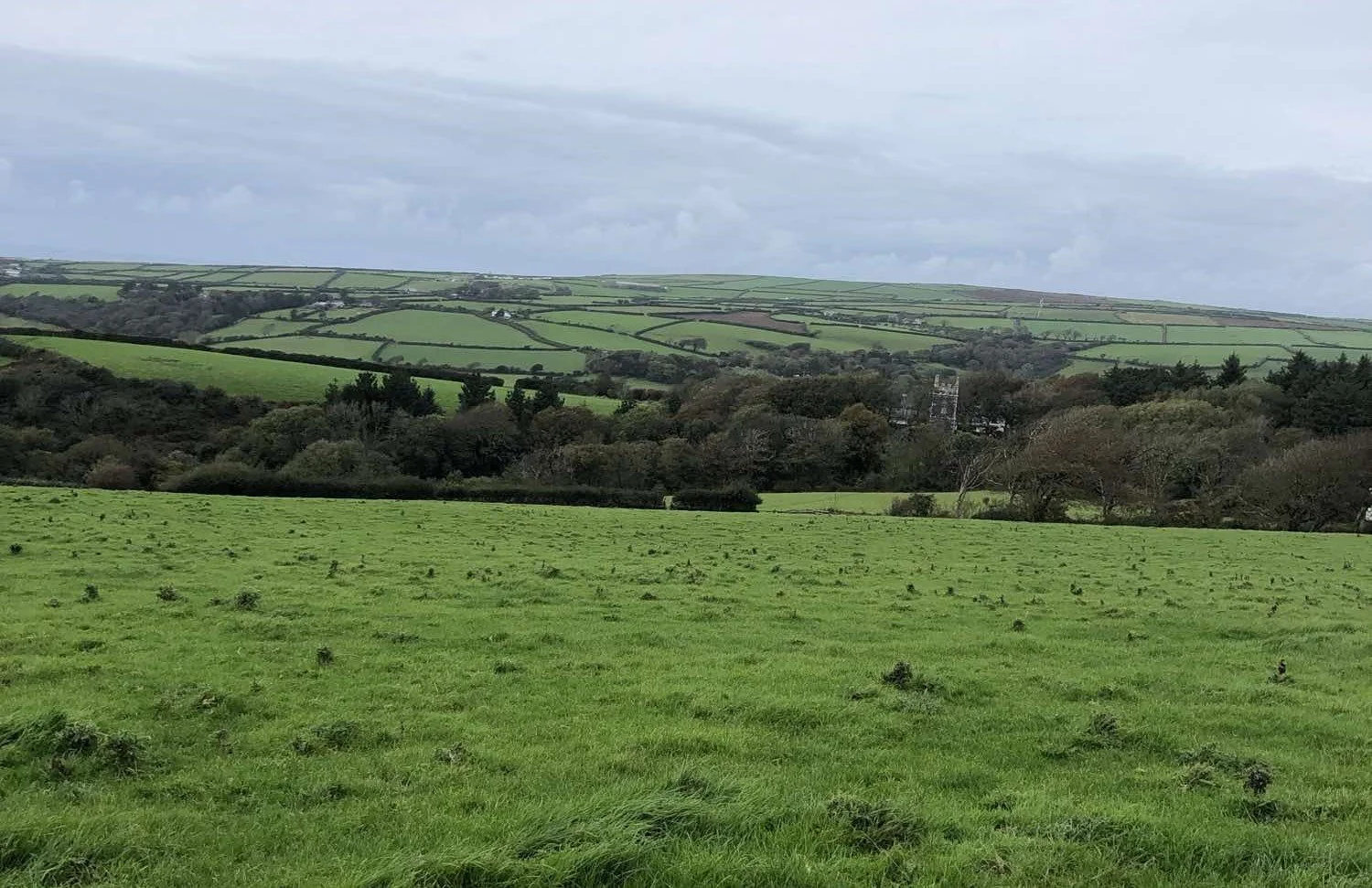
Lesnewth habitat bank, Cornwall: habitat creation designed to deliver long-term Biodiversity Net Gain (BNG) and compounding nature returns for decades to come.
The Biodiversity Net Gain market has focused heavily on one question: how do you meet today’s requirement?
At Biofarm, we are asking a better one: how do you create more value tomorrow?
That is the thinking behind our approach to stacking.
We believe BNG should not be treated as a static 30-year obligation. It should be structured as a long-term land strategy, where each habitat phase creates the conditions for the next, increasing ecological value and commercial return over time.
This is how nature works. Landscapes evolve. Habitats mature. Ecological systems build in layers. BNG should do the same.
A site delivering scrub today can support woodland tomorrow. Grassland established in an initial term can transition into species-rich meadow in the next. Early habitat creation does not have to be the end state. It can be the starting point.
That changes the conversation entirely.
For landowners, stacking creates the potential to generate repeat value from the same parcel of land, extending long-term returns while strengthening landscape-scale nature recovery and natural capital value.
For developers, it helps secure future supply from sites designed to strengthen over time. For the wider market, it replaces minimum-compliance thinking with long-term ecological ambition.
This is where Biofarm is setting the pace.
We are not just placing units. We are designing land strategies that compound nature returns across decades. By combining commercial insight with ecological expertise, we help clients unlock more from every hectare.
The first 30 years should never be the finish line.
With Biofarm, it is only phase one.