
Nature is part of every supply chain
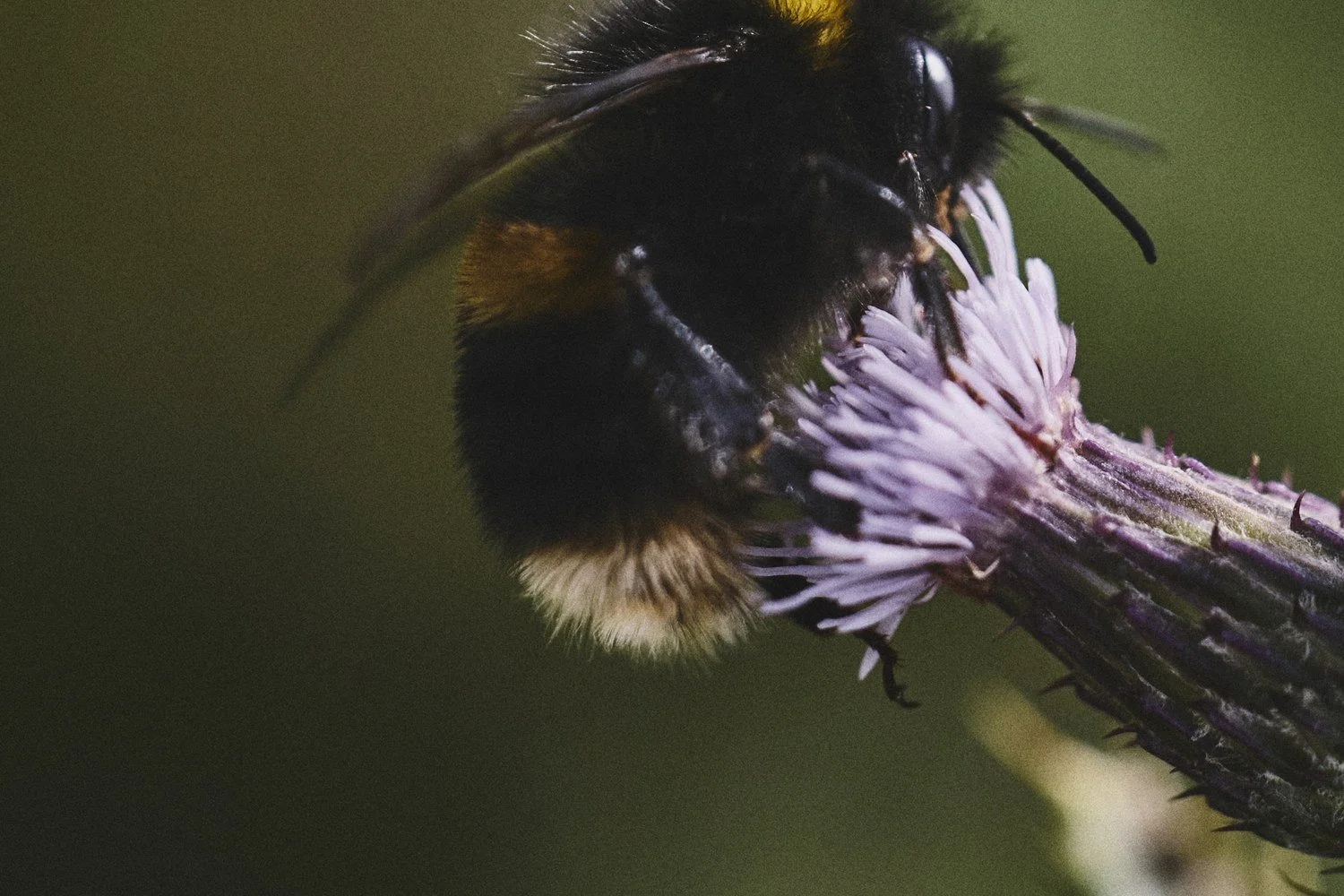
Food production depends on healthy soil and pollinators. Manufacturing relies on water and natural resources. Construction depends on stable environments and resilient landscapes. Long before products reach shelves or services reach customers, nature is already doing part of the work.
When those natural systems come under pressure, businesses feel it through rising costs, supply chain disruption, and increased risk. Ultimately, customers feel it too.
That's why nature is increasingly becoming a business issue, not just an environmental one.
According to PwC, more than half of global GDP is moderately or highly dependent on nature. In other words, much of the world's economy relies on healthy natural systems to function.
Earlier this month, HMRC published its Technical Note on Ecosystem Services. While technical in nature, it signals something important. For the first time, HMRC has formally set out how activities such as Biodiversity Net Gain (BNG), habitat banking, nutrient mitigation and carbon projects fit within the economy and tax system.
The guidance reflects a broader shift. The benefits nature provides, from food production and clean water to flood resilience and healthier communities, are increasingly being recognised for the economic and social value they create.
BNG is one example of this shift in practice. By creating a market for biodiversity improvements, it helps channel private investment into habitat creation and long-term stewardship. Importantly, those habitats must be secured and managed for at least 30 years, creating lasting outcomes rather than short-term interventions.
For landowners, the guidance also provides welcome clarity. One of the biggest questions surrounding BNG has been how income generated through these schemes would be treated. HMRC's position is now clear: in most circumstances, income from BNG will be treated as trading income rather than a capital receipt.
That might sound like a technical distinction, but it matters. For many farmers and landowners, uncertainty around tax treatment has made it difficult to properly assess opportunities and compare them against other land uses. Greater clarity makes it easier to have informed conversations with accountants, advisers and family members about the role BNG could play within a wider business strategy.
The guidance also confirms that where land remains part of a farming operation, BNG income will often sit alongside the existing farming trade, helping preserve access to farming-specific reliefs and providing greater confidence for long-term planning.
Whether you're a developer, landowner, investor or business leader, the message is the same.
Nature isn't separate from the economy. The businesses and communities best placed for the future will be those that help strengthen the natural systems they depend on.