
Biodiversity Net Gain and climate resilience: creating places that last
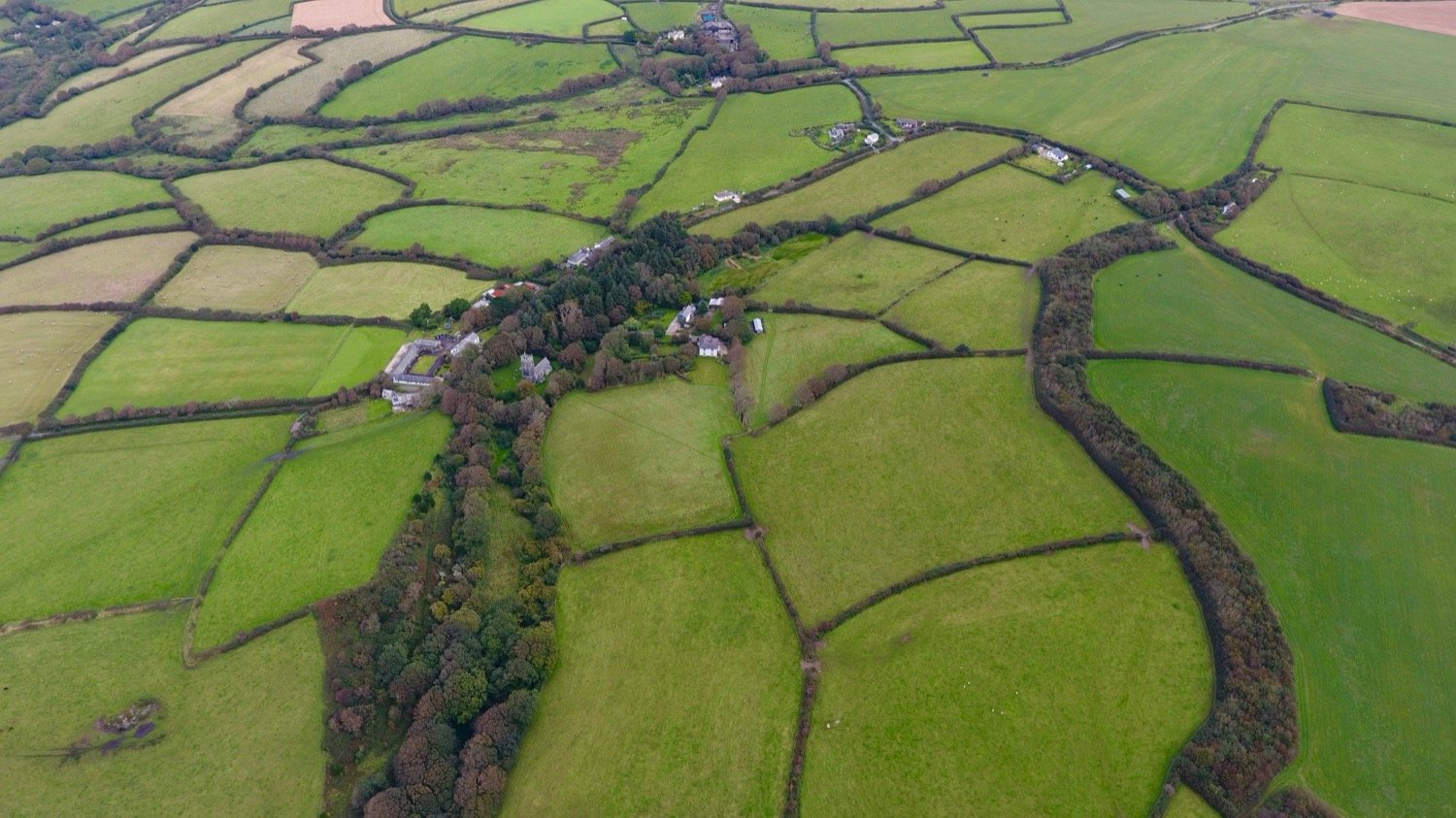
BNG is often talked about as a requirement for development. But some of its greatest benefits aren't measured in biodiversity units.
When habitats are designed with the wider landscape in mind, they can help slow flood water, improve resilience during drought, and create stronger ecological networks. In other words, they can help places adapt to a changing climate while supporting nature's recovery.
That matters because both challenges are becoming harder to ignore. UK species have declined by an average of 19% since 1970, while millions of properties across England are already at risk of flooding.
The opportunity for developers is not simply to achieve Biodiversity Net Gain. It's to create places that are more resilient in the long term.
Good ecology creates better outcomes
The habitats delivered through BNG can do far more than satisfy a metric.
Restored rivers can help manage water more naturally across a landscape. Wetlands and ponds can improve water retention during dry periods, and better-connected habitats give wildlife more space to move and adapt as conditions change.
But these outcomes depend on the decisions made at the start.
Where habitats are located, how they connect to existing ecological networks and how they will function in the future all influence the value they ultimately deliver. Sometimes, the best outcome is understanding the landscape well enough to identify where development and nature can coexist most successfully over the long term.
A habitat designed solely to satisfy a metric may achieve compliance. A habitat designed around how a landscape functions can deliver lasting value for both people and nature.
How Biofarm approaches Biodiversity Net Gain
We start by understanding the landscape.
We look at how water moves, how habitats connect, and where there are opportunities to support both biodiversity and resilience. By considering the wider ecological picture, we help ensure habitat creation delivers meaningful outcomes that continue to provide value long after the planning process is complete.
Resilient landscapes aren't created overnight. They are built over time through habitat creation, careful management, and a long-term understanding of how ecosystems function. Early indicators such as increasing species richness and the establishment of target habitats give us confidence that sites are moving in the right direction.
We're already seeing encouraging signs of this approach within Biofarm habitat banks. At Sleight Farm, a 70-hectare habitat bank that was previously managed as a heavily grazed sheep and goat farm, recent botanical surveys recorded a range of lowland meadow indicator species, including knapweed, bird’s-foot trefoil, betony, pignut and the first bee orchid recorded on the site. Several areas that were previously classified as modified grassland are now showing characteristics associated with more diverse habitats, while one parcel is beginning to display characteristics of lowland meadow.
These changes won’t prevent flooding or drought overnight. But they are the building blocks of more resilient ecosystems. As habitats become richer and more diverse, they are better able to support wildlife, improve soil health and strengthen the natural processes that help landscapes adapt to changing climate.
For developers, that can mean sites that are better prepared for future environmental pressures. For communities, it can mean healthier green spaces, stronger ecosystems, and a landscape that is better able to adapt over time.
Ultimately, Biodiversity Net Gain works best when it is treated as more than a metric. It's an opportunity to create places that work better for wildlife, for people, and for the future.