
Biofarm habitat banks: early signs of ecological recovery
Our trail cameras are beginning to show how wildlife is responding to habitat restoration across our sites.
Badgers have been recorded foraging at night, while a field mouse was spotted moving through the undergrowth. Roe deer are now regularly passing through areas of regenerating habitat, making use of the developing mosaic of grassland and scrub.
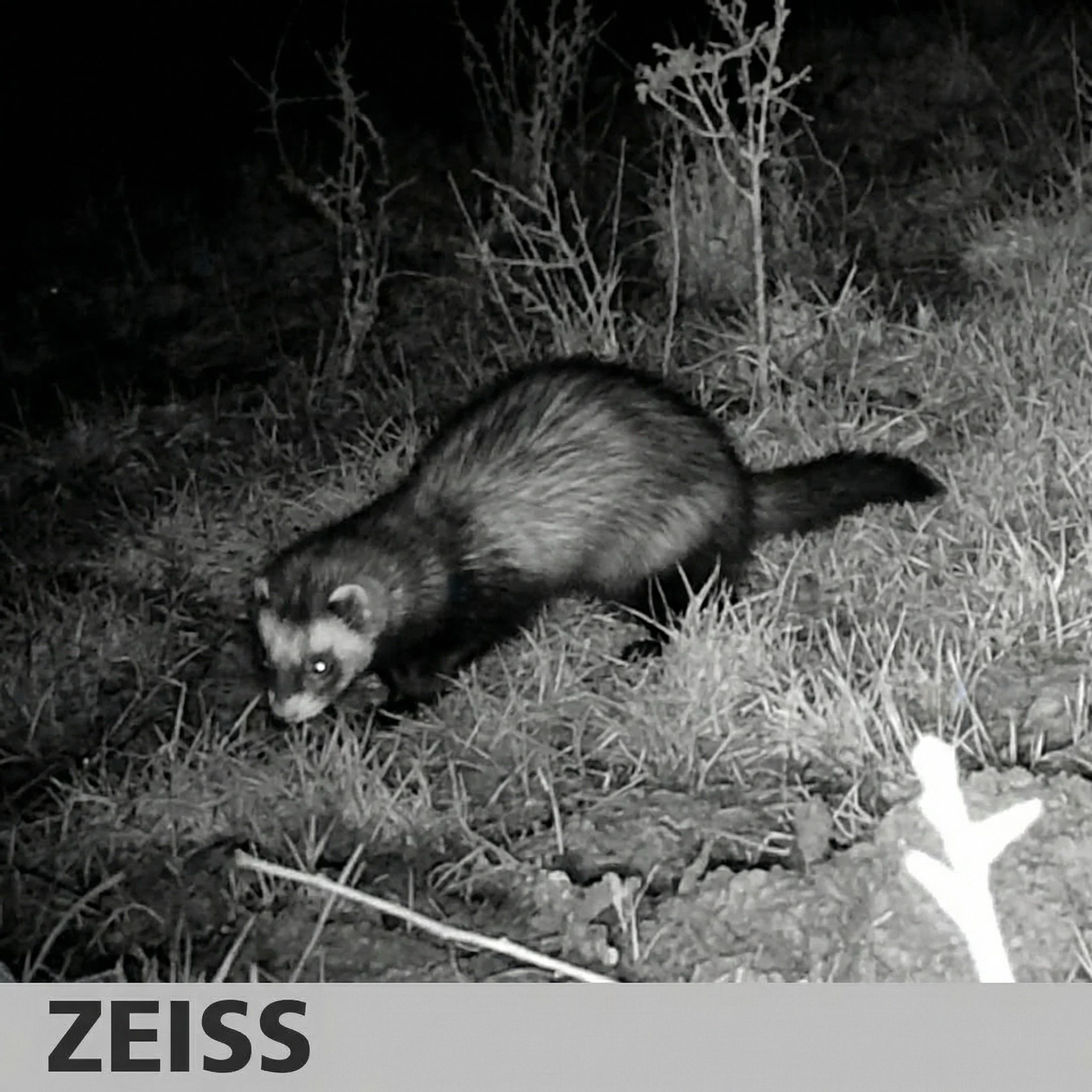
Night-vision image of a polecat walking through grassland at a Biofarm habitat bank.
A particularly encouraging sighting was a polecat. Once widespread across England, polecats declined sharply due to persecution and habitat loss and only recently began recolonising parts of the country. Their presence is often associated with improving habitat quality and healthy prey populations.
Encouragingly, rabbits are also beginning to reappear across the restored grassland and scrub areas. As an important prey species, they help support predators such as polecats, foxes and birds of prey, strengthening the wider ecological food web.
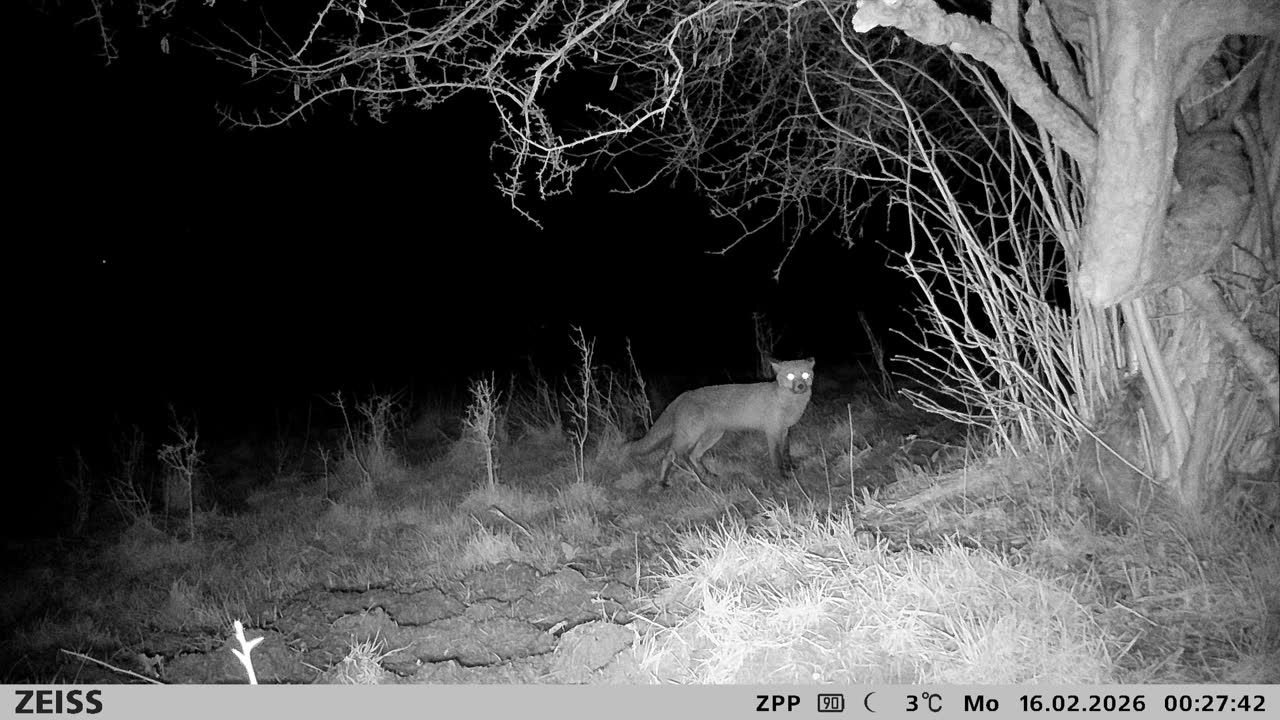
Night-vision wildlife camera image of a beautiful red fox
Along the stream corridor, a firecrest has been observed at the woodland edge, while a red fox was captured pausing for a drink. A buzzard was also filmed wading along the shallow riverbed. A rare glimpse of how wildlife is beginning to use these recovering habitats.
What stands out most is the speed at which wildlife is responding. As pressures are reduced and habitats begin to reestablish, species are naturally returning and starting to use the landscape in different ways.
These early observations are a small but encouraging indication that the ecological restoration underway is beginning to support a more diverse and functional ecosystem.
Learn more about the environmental impact of our BNG banks.
