
Restoring species-rich grasslands through conservation grazing
Species-rich grasslands were once widespread across the UK countryside. In summer they supported vibrant communities of wildflowers, from the bright purples of common knapweed to the delicate blues of harebell and the yellows of bird’s-foot trefoil. These habitats provided forage for grazing animals while supporting pollinators, insects and birds.
Today they are among the UK’s rarest landscapes. Changes in land use and agricultural intensification have led to a dramatic decline, with around 97% of species-rich grasslands lost in recent decades. They now cover less than 1% of the UK’s land area.
At Biofarm, restoring these habitats forms an important part of how we deliver Biodiversity Net Gain (BNG). Through habitat restoration and long-term land management, we work to bring species-rich grasslands back into the landscape while supporting nature recovery and resilient ecosystems
The role of conservation grazing
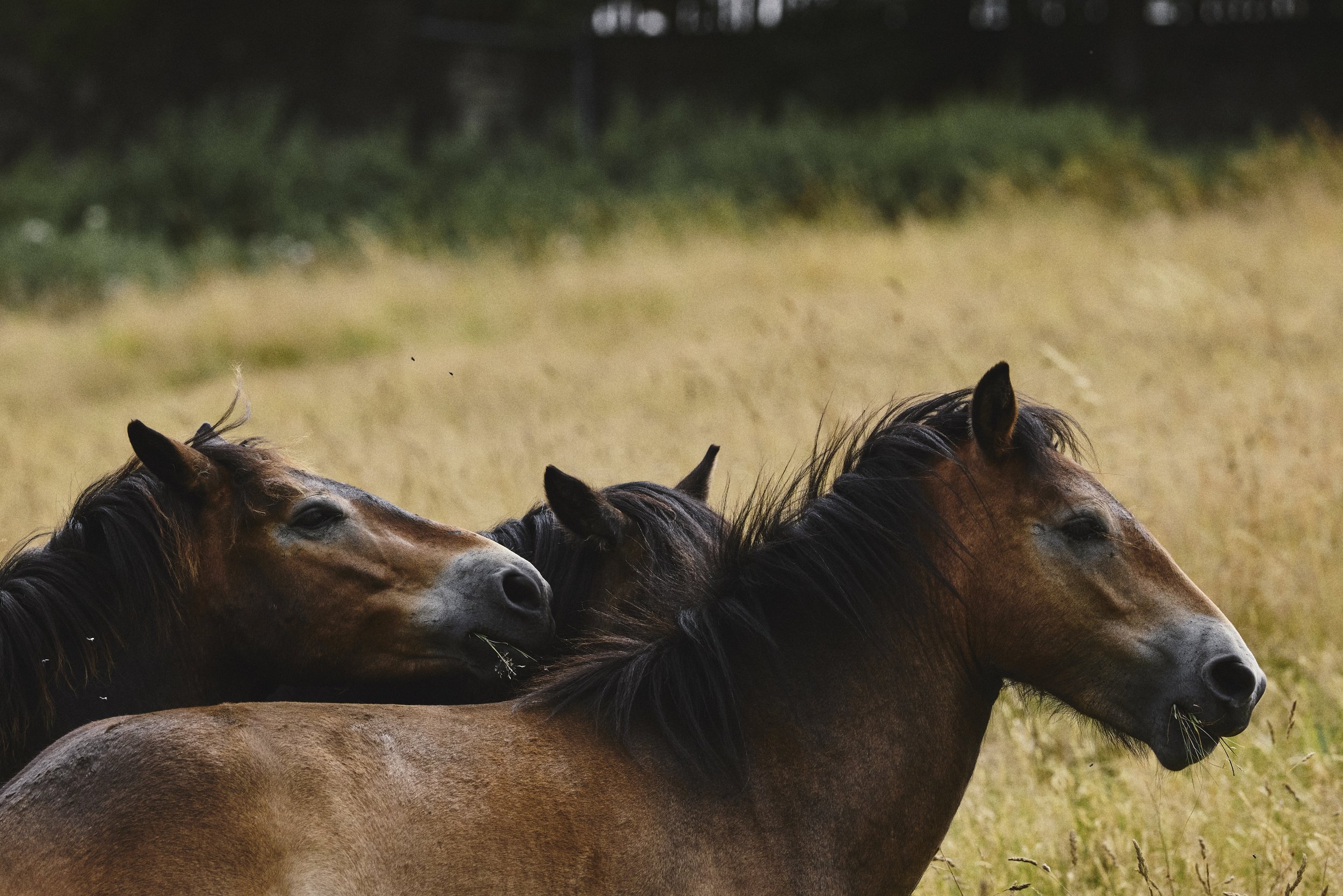
Ponies working the lowland fields at Sleight Farm Habitat Bank, Somerset
Healthy grasslands depend on natural ecological processes. One of the most effective ways to maintain these processes is through conservation grazing.
Conservation grazing uses livestock such as cattle and ponies to manage vegetation in ways that support biodiversity. As animals move across the land they graze selectively, preventing dominant plant species from taking over and creating a varied structure of vegetation across the landscape.
Historically, wild herbivores such as bison and red deer played this role across much of Europe. In modern landscapes, carefully managed livestock help recreate these natural processes.
Grazing on Biofarm Biodiversity Net Gain Sites
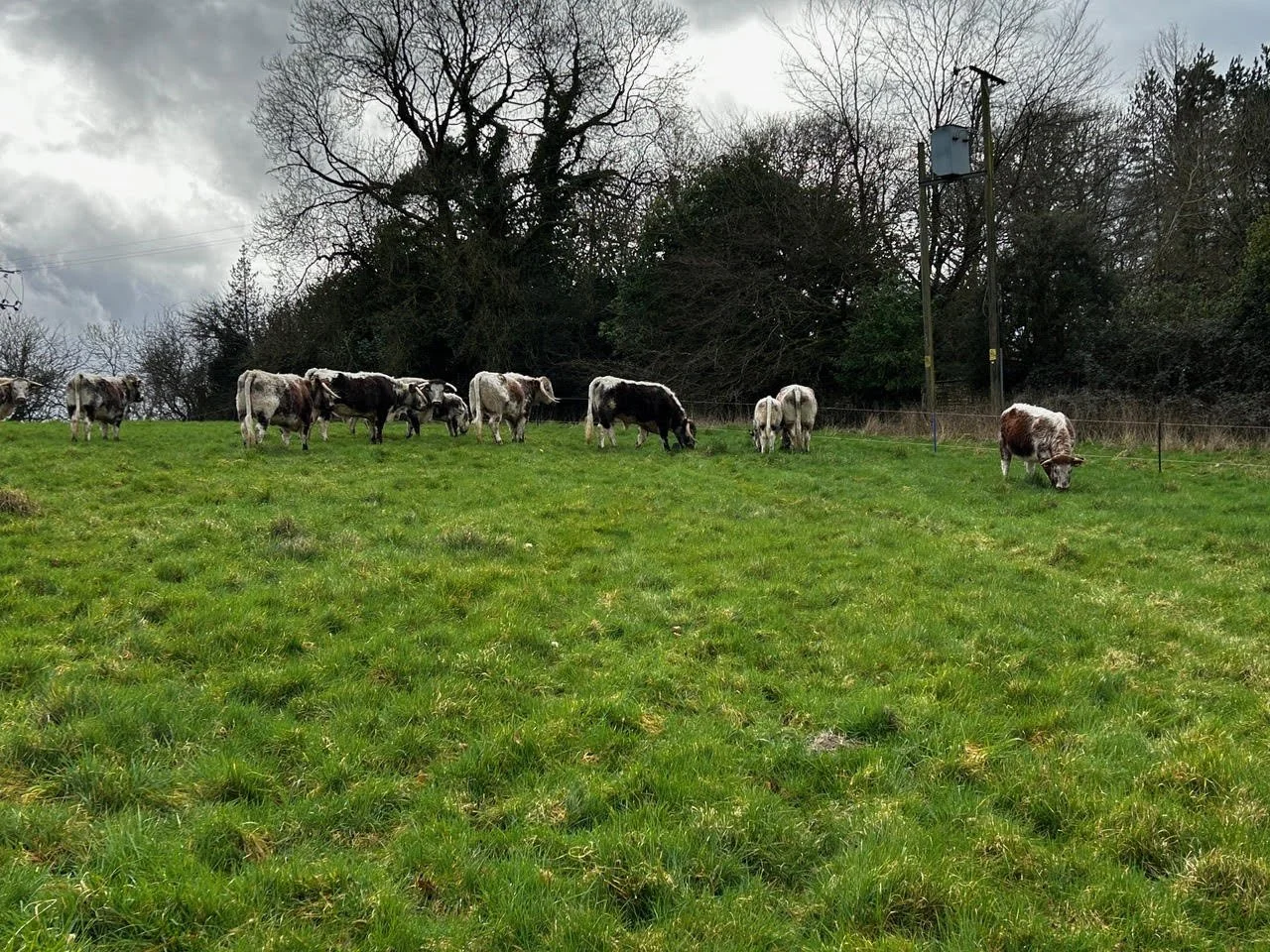
Cattle graze down nutrient rich grass
On suitable Biofarm BNG habitat sites, conservation grazing is used as part of long-term habitat management.
Without grazing, fast-growing grasses can dominate grasslands, blocking light and gradually suppressing wildflowers. Low-intensity grazing helps maintain the balance needed for a diverse range of plants to thrive.
Livestock naturally control dominant grasses while creating small areas of disturbed soil where wildflower seeds can germinate. As animals graze and move across the land they also remove accumulated vegetation, allowing light to reach lower-growing plants.
Unlike mechanical mowing, grazing occurs gradually and selectively. Animals choose certain plants while leaving others behind, creating a more varied and natural habitat structure.
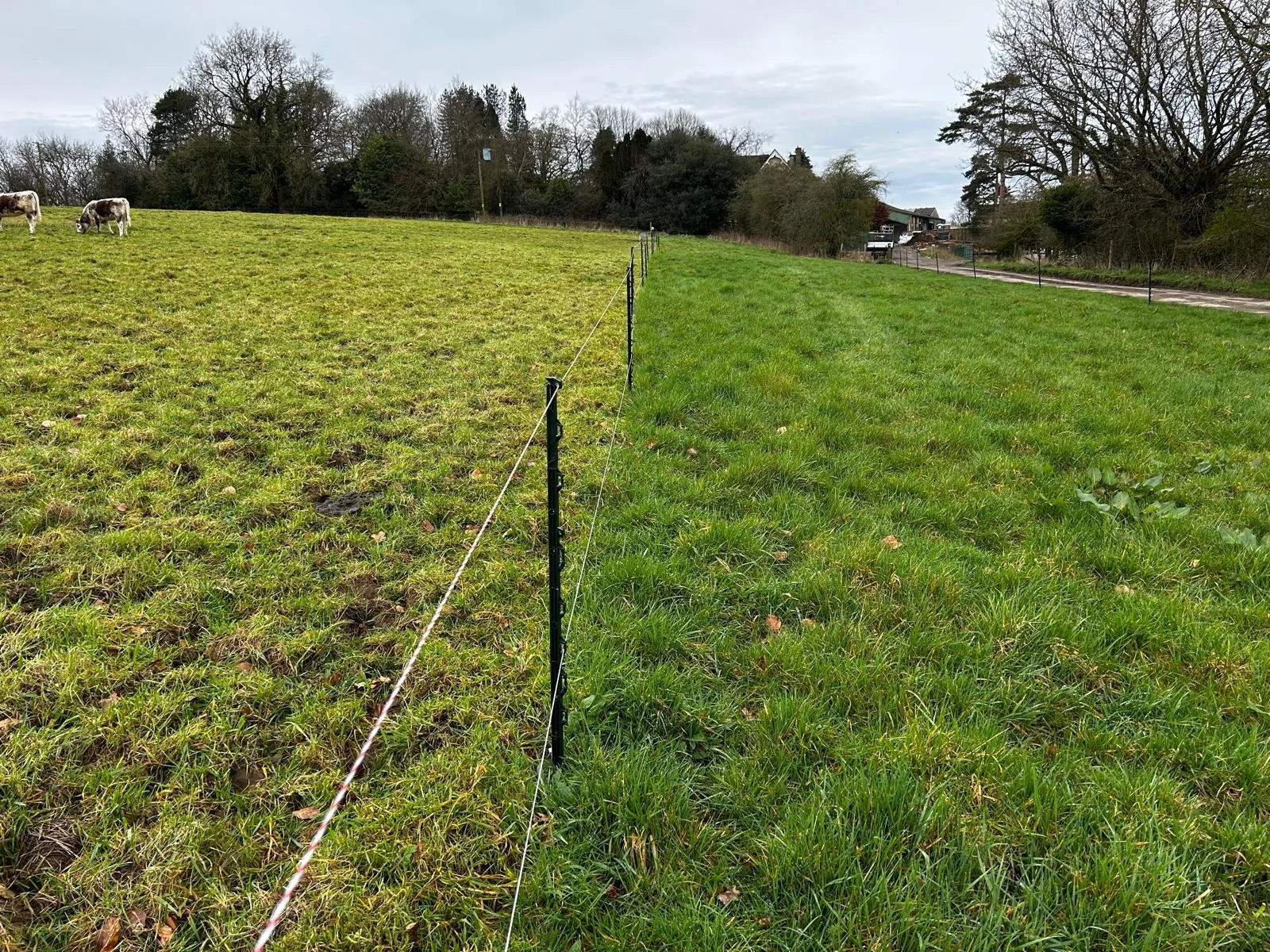
All in a weeks work: before and after the longhorns get the grass sward down at Sleight Farm
Supporting Wildlife
The varied vegetation created by grazing supports a wide range of wildlife.
Ground-nesting birds such as skylarks benefit from the mix of open areas and taller vegetation for feeding and shelter. Pollinators rely on the diverse wildflower communities that develop within well-managed grasslands.
Grazing animals also support entire ecological communities. Their manure enriches the soil and provides habitat for insects — more than 250 insect species in the UK have been recorded living on cattle dung alone.
When grazing is managed at low intensity, fewer animals require parasite treatments, helping reduce chemical inputs into surrounding ecosystems.
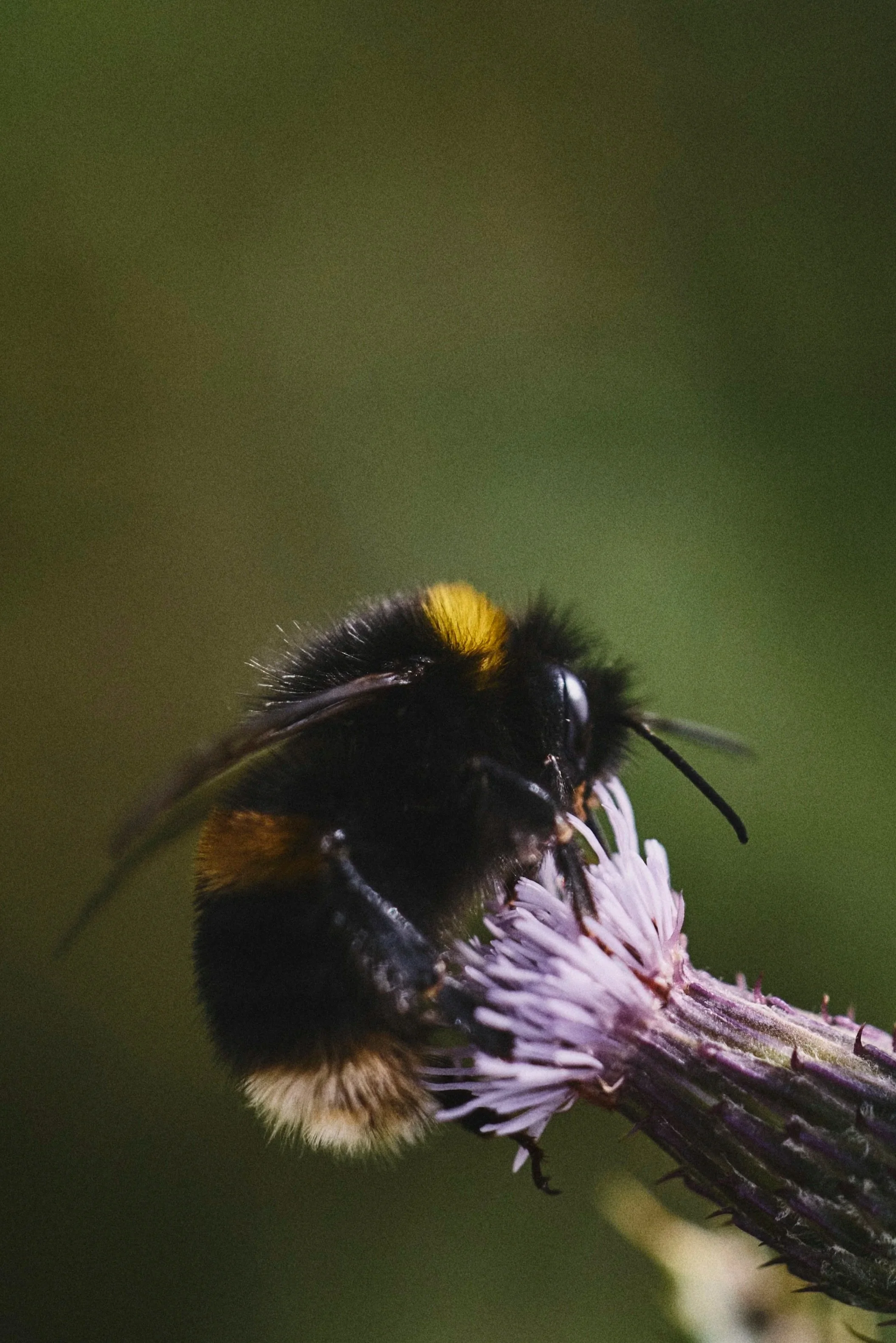
Bee collecting nectar from a wildflower in species rich grassland at Biofarm’s Sleight Farm BNG habitat bank
Long-Term Habitat Management
Creating habitat is only the first step in delivering meaningful Biodiversity Net Gain. The long-term success of BNG sites depends on careful management and monitoring.
At Biofarm, conservation grazing forms part of a wider habitat management framework that includes ecological monitoring and adaptive management. This ensures habitats continue to develop and improve over time.
All management is delivered in line with BNG management plans and monitoring requirements, helping ensure sites continue to meet their ecological objectives.
Restoring Landscapes for the Future
Conservation grazing allows land managers to work with natural processes to restore species-rich grasslands and support nature recovery.
By integrating grazing into the long-term management of Biofarm BNG habitat sites, we help create landscapes that support biodiversity, strengthen ecosystems and contribute to a healthier natural environment.
If you are exploring Biodiversity Net Gain opportunities, land partnerships or habitat restoration projects, the Biofarm team would welcome a conversation.
Frequently Asked Questions
Why is grazing important for Biodiversity Net Gain grasslands?
Grazing helps maintain the ecological balance needed for species-rich grasslands by controlling dominant vegetation and creating varied habitat structures that support wildlife.
What animals are used for conservation grazing?
Cattle, ponies and sometimes sheep are commonly used. Different animals graze in different ways, creating varied vegetation patterns that benefit biodiversity.
How does conservation grazing improve biodiversity?
Grazing creates small disturbances in vegetation and soil that allow wildflowers to establish while supporting insects, pollinators and birds that depend on diverse grassland habitats.
Can conservation grazing be used on Biodiversity Net Gain sites?
Yes. Conservation grazing is widely used as part of long-term habitat management on BNG habitat sites to maintain species-rich grasslands and support biodiversity.
