
Sleight Farm

Registered habitat bank · Bath & North East Somerset · West of England
Sleight Farm Habitat Bank
Local BNG units, close to where you’re building.
Host LPA: Bath & North East Somerset Council · Registration: BGS-281124001
The habitat bank
Our flagship landscape in recovery
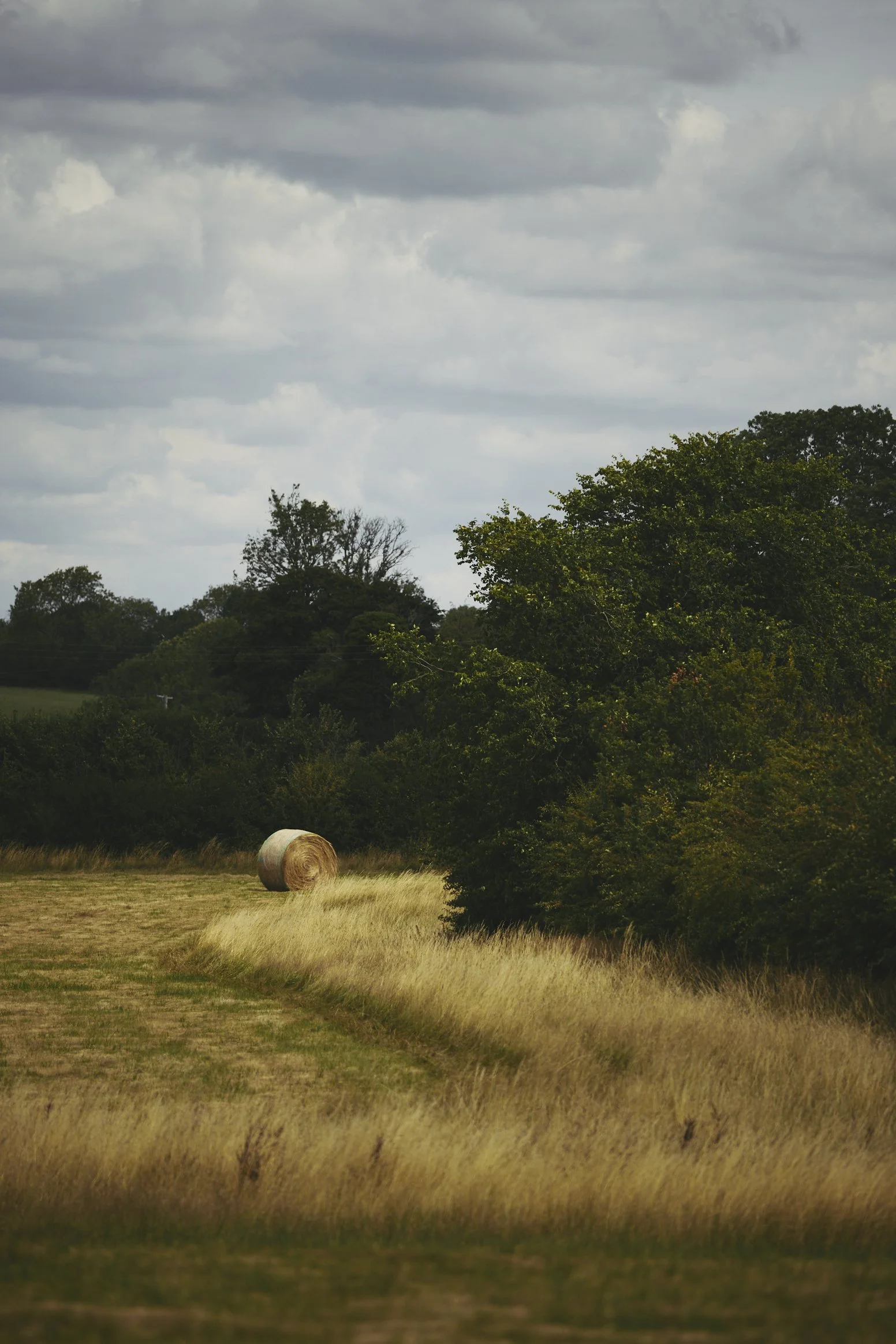
Across 70 hectares of former sheep and goat grazing land, Sleight Farm is being restored into species-rich grassland and a wider mosaic of woodland, scrub, hedgerows, trees and ditches.
The work is led by what is already here. Conservation grazing, carefully timed hay cuts and locally adapted green hay are helping the farm’s natural seed bank return, so the landscape recovers with its local character intact.
Surveys are already recording lowland meadow indicators including bird’s-foot trefoil, knapweed, betony and pignut. Areas previously classed as modified grassland are becoming more diverse, with one parcel showing signs of developing into lowland meadow.
Location and areas served
Local to where you’re building
Located in Bath & North East Somerset, Sleight Farm is well placed to support developments across Bath, Bristol and the wider West of England.
Planning context
The units
Registered units by habitat type
The habitat mix gives more scope to match the losses identified in your biodiversity metric.
| Registered habitat type | Broad group |
|---|---|
| Lowland meadow | Grassland |
| Other neutral grassland | Grassland |
| Broadleaved woodland | Woodland |
| Mixed scrub | Scrub |
| Native hedgerows | Hedgerow |
| Individual trees | Trees |
| Ditches | Watercourse |
Availability changes as units are reserved and allocated. Tell us what you need and we’ll confirm the right habitat types, quantities and current pricing.
Long-term stewardship
Stewarding the recovery for 30 years
Biofarm takes responsibility for creating, managing, monitoring and reporting on Sleight Farm’s habitats for 30 years. Dedicated funding supports the full management term, giving developers greater confidence in long-term delivery and nature the consistent stewardship it needs.
Working with the natural seed bank
Conservation grazing, carefully timed hay cuts and locally adapted green hay help characteristic species already present in the landscape to spread.
Grazing that shapes the meadow
Ponies and cattle create different heights and structures across the grassland, making more room for invertebrates, small mammals, and reptiles.
Reading the landscape as it changes
Botanical surveys and wildlife cameras show how Sleight Farm is responding and guide the next work on the ground. Lowland meadow indicators, improving grassland condition, badgers, deer, bullfinches, barn owls and juvenile tawny owls are all part of the emerging picture.
Site information
Information for your project
Your BNG requirement
See if Sleight Farm Habitat Bank fits your development
Share your location, unit requirement and programme. We’ll confirm suitability, availability, pricing and next steps.