
Slade Farm
Registered habitat bank · Surrey · South East England
Slades Farm Habitat Bank
Local BNG units, close to where you’re building.
Host LPA: Waverley Borough Council · Registration: BGS-060325001
The habitat bank
A richer, more connected landscape
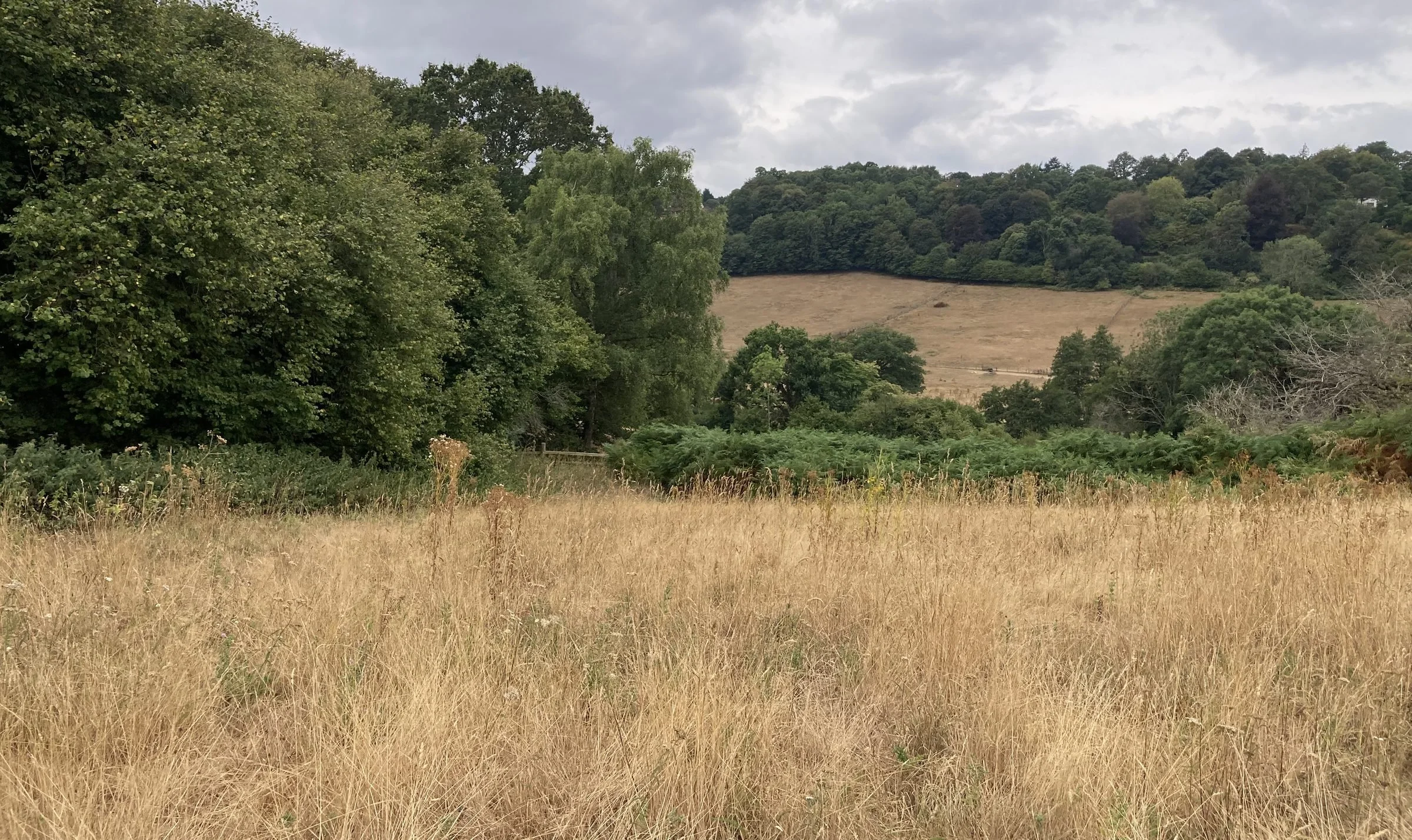
Slades Farm is near Bramley, south of Guildford, within the Wealden Greensand landscape. Across 88 hectares, wildflower-rich grassland, mixed scrub, trees and lowland mixed deciduous woodland will be created and enhanced.
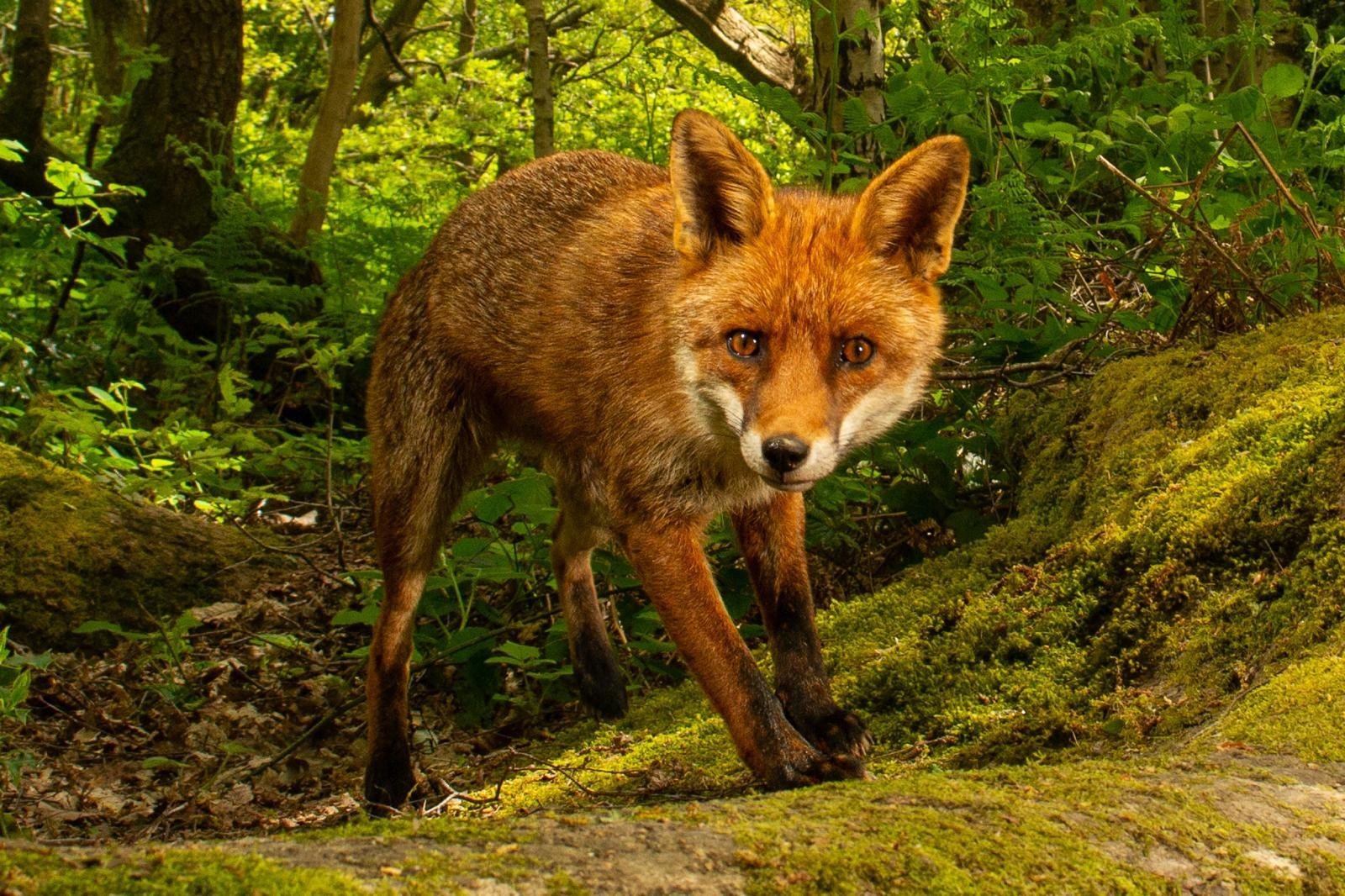
Lowland mixed deciduous woodland is a nationally recognised priority habitat. Together with the grassland, scrub and retained hedgerows, it will provide more food, shelter and nesting opportunities for birds, bats and invertebrates, while helping wildlife move through the wider countryside.
Location and areas served
Local to where you’re building
Slades Farm is in Surrey, well placed for development across Waverley, Guildford and neighbouring areas in the South East.
Areas served include Waverley, Guildford, Mole Valley, Reigate and Banstead, Horsham, Chichester, East Hampshire, Tandridge, Sevenoaks, Tonbridge and Malling, Maidstone, Ashford and Folkestone and Hythe.
Planning context
The units
Registered units by habitat type
The habitat mix gives more scope to match the losses identified in your biodiversity metric.
| Registered habitat type | Broad group |
|---|---|
| Other neutral grassland | Grassland |
| Lowland mixed deciduous woodland | Woodland |
| Mixed scrub | Scrub |
| Individual rural trees | Trees |
Availability changes as units are reserved and allocated. Tell us what you need and we’ll confirm the right habitat types, quantities and current pricing.
Long-term stewardship
Restored for nature
Wildflower-rich grassland
Other neutral grassland will be created and enhanced, bringing greater variety and more food and shelter for wildlife.
A priority woodland habitat
Lowland mixed deciduous woodland will be created and enhanced alongside scrub, trees and retained hedgerows, strengthening the wooded character of the Greensand Hills.
Monitoring that guides the work
Ecological monitoring will track how the habitats establish and change. The results will guide the work on the ground, allowing management to adapt as nature responds. Acoustic monitoring indicated the presence of 52 bird species during dawn and dusk surveys in May 2026. The findings give us a useful baseline and will help us track how bird life responds as the habitat establishes and matures.
Site information
Information for your project
Your BNG requirement
See if Slades Farm Habitat Bank fits your development
Share your location, unit requirement and programme. We’ll confirm suitability, availability, pricing and next steps.
Related links