
Biodiversity Net Gain: a landowner perspective from Fisher German on the emerging environmental market
How Biodiversity Net Gain is creating new opportunities for landowners while recognising the long-term value of environmental stewardship
Guest commentary from Christy Wells, Sustainable Investment Lead – Property Management & Consultancy, Fisher German
Key Takeaways
Biodiversity Net Gain (BNG) is creating a new environmental market linked to the UK planning system.
Developers must now deliver at least a 10% biodiversity uplift, creating demand for biodiversity units.
For landowners, BNG introduces the potential for long-term income from habitat creation.
New delivery models are emerging that allow biodiversity projects to sit alongside productive land use.
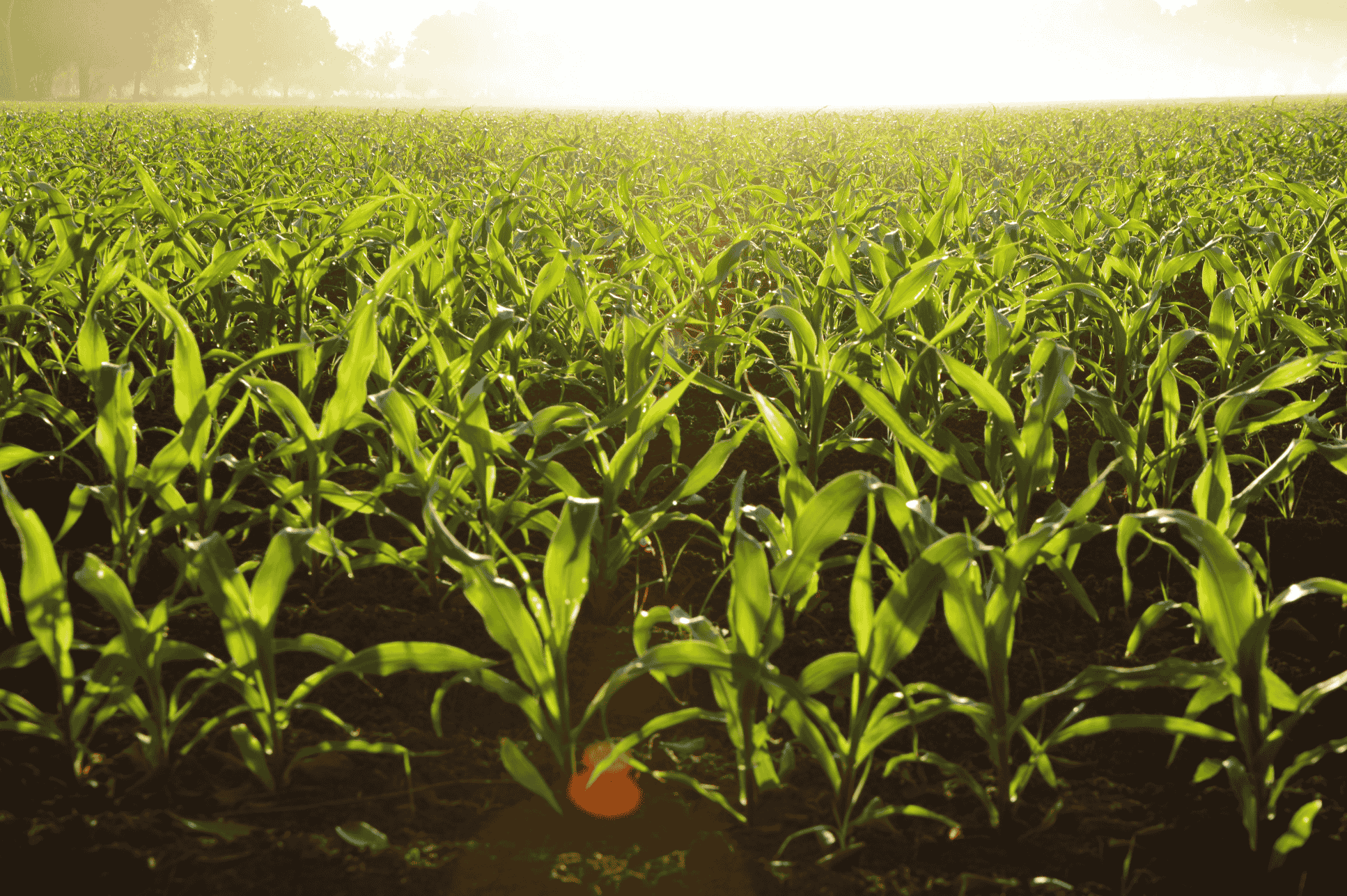
Crops in a field
Environmental stewardship has always had value
For generations, landowners have understood the importance of healthy soils, thriving habitats and well-managed landscapes. These factors underpin the long-term productivity and resilience of rural land. Yet historically, the financial frameworks supporting environmental land management have rarely reflected that value.
Most government environmental schemes have been structured around “income foregone and cost incurred”, compensating farmers for what they lose by taking land out of agricultural production.
Biodiversity Net Gain (BNG) is beginning to change that.
From environmental stewardship to environmental markets
Under the Environment Act 2021, most developments in England must now deliver at least a 10% biodiversity net gain. If this uplift cannot be achieved on-site, developers must purchase biodiversity units created through habitat enhancement elsewhere.
The result is the emergence of a new environmental market, where biodiversity improvements can generate measurable financial value.
Industry estimates suggest the UK’s biodiversity unit market could grow into a multi-billion-pound sector over the coming decades, driven by ongoing demand from housing and infrastructure development.
For landowners, this represents a shift in how environmental land management is valued. Rather than simply being compensated for reduced agricultural output, land can now generate income through measurable biodiversity improvements.
“BNG introduces something new for rural land management: a market that places measurable value on biodiversity itself.”
Christy Well, Fisher German
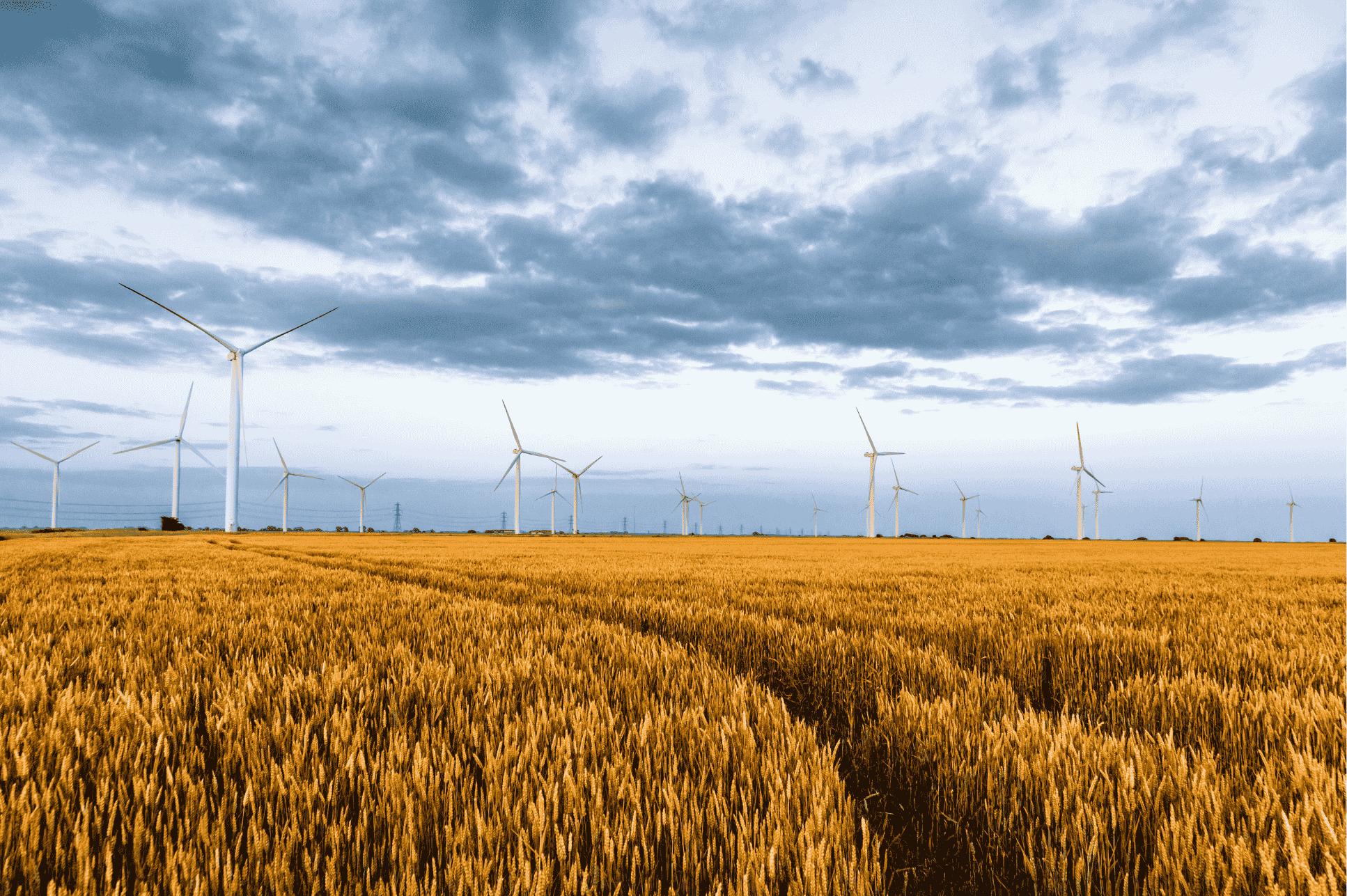
Wind turbines in wheat field
A long-term opportunity for landowners
Biodiversity Net Gain projects typically require habitats to be maintained for at least 30 years, meaning landowners must consider carefully how habitat creation fits within their wider farm or estate business.
Many of the practical management activities involved, such as restoring species-rich grassland, creating wetlands or enhancing woodland habitats, will be familiar to those who have previously participated in environmental stewardship schemes.
The difference lies in the economic structure behind them.
Where previous schemes primarily compensated landowners for reduced productivity, BNG introduces a model where biodiversity improvements themselves can become a long-term income stream.
Different approaches to delivering Biodiversity Net Gain
As the BNG market develops, a variety of delivery models are emerging.
Some approaches focus on large-scale habitat banks, where substantial areas of land are converted to biodiversity habitat upfront to create biodiversity units for sale.
While this approach can provide certainty of supply for developers, it often requires significant areas of land to be removed from agricultural production in advance.
Other approaches are exploring more incremental models that allow biodiversity improvements to be delivered alongside existing land use.
Delivering biodiversity alongside productive land use
One example of this approach is the partnership model developed by Biofarm.
Biofarm work with landowners to convert smaller parcels of land into BNG habitat as biodiversity units are sold, allowing the wider holding to remain in productive use.
Under this type of partnership structure, landowners retain ownership of their land and receive a lease payment, and in the case of Biofarm, the majority share of the value created through biodiversity unit sales.
For many landowners, this type of model allows biodiversity projects to sit alongside existing land management practices rather than requiring a fundamental change to the way land is used.
A market that is still evolving
Biodiversity Net Gain remains an emerging market, and delivery models will continue to evolve as experience grows and demand develops.
What is becoming increasingly clear, however, is that successful biodiversity delivery is likely to depend on strong partnerships with landowners who understand and manage the land.
Approaches that enable biodiversity improvements to be delivered alongside productive land use, rather than replacing it entirely, may prove particularly important as the market matures.
Because ultimately, environmental stewardship has always created value.
Biodiversity Net Gain may simply be the first system that begins to recognise it properly.