Sleight Farm Habitat Bank
Sleight Farm is Biofarm’s flagship habitat bank and where our journey began
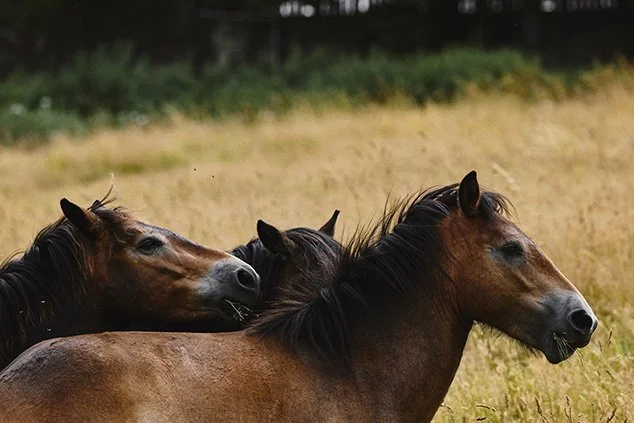
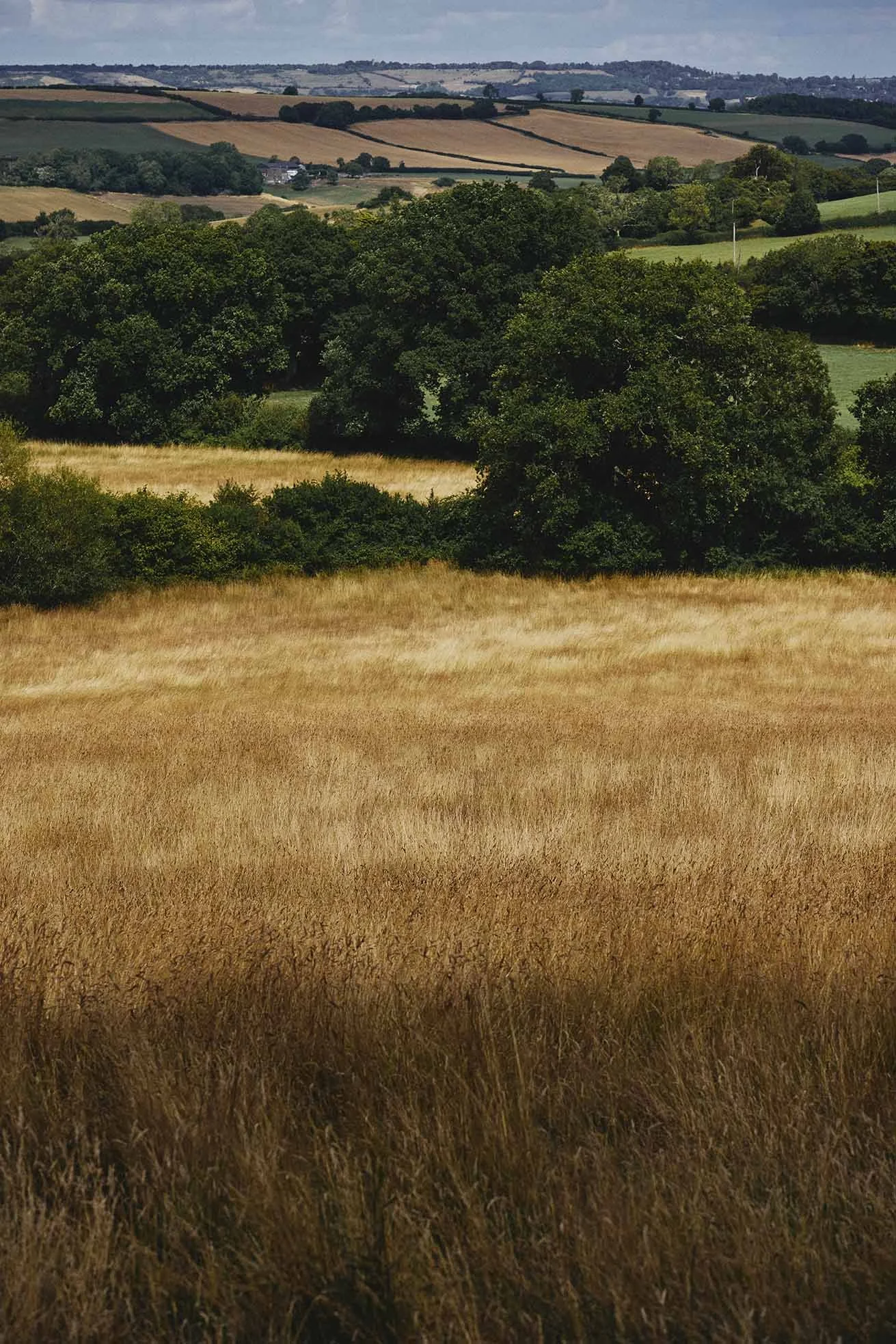
Set on a prominent ridge known locally as The Sleight, the 173-acre farm overlooks the Somerset and Bristol countryside. Historic pasture, damp grassland, mature hedgerows and scattered veteran oaks provide a strong ecological foundation for restoration.
Formerly a goat farm supplying Neal’s Yard, the land is now being restored into a mosaic of species-rich grassland, woodland and scrub, demonstrating how Biodiversity Net Gain can support both nature recovery and responsible development.
Located within Bath & North East Somerset the site provides a strategic supply of units aligned with local planning policy and regional demand.
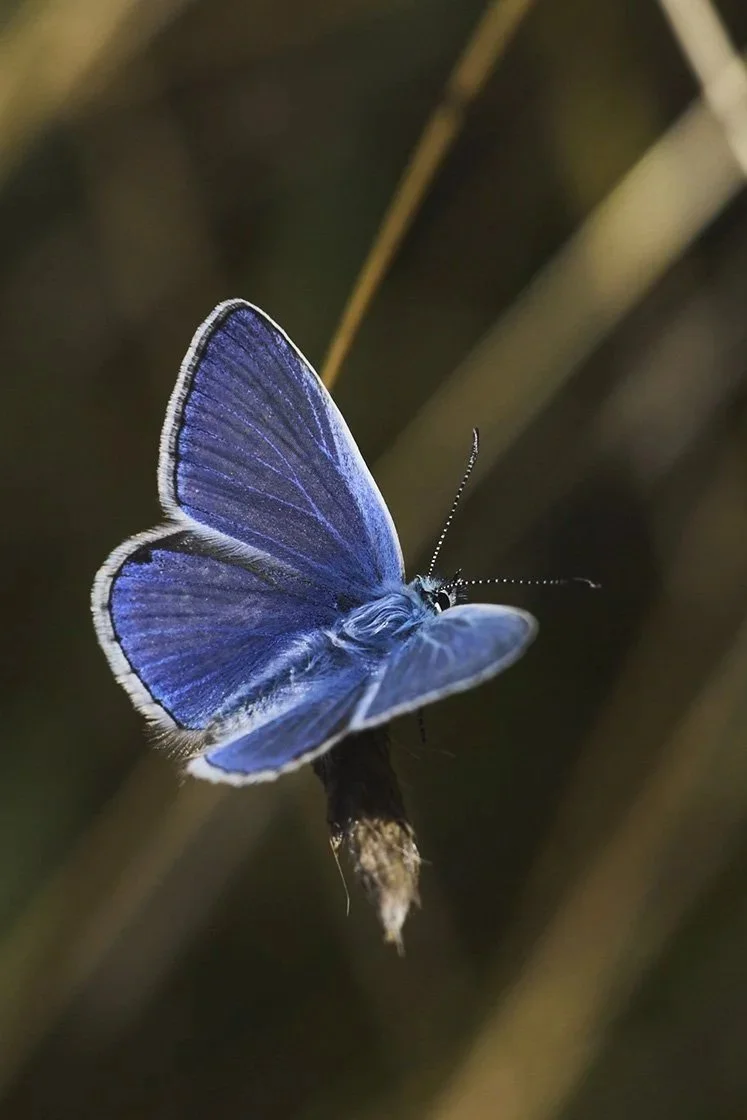
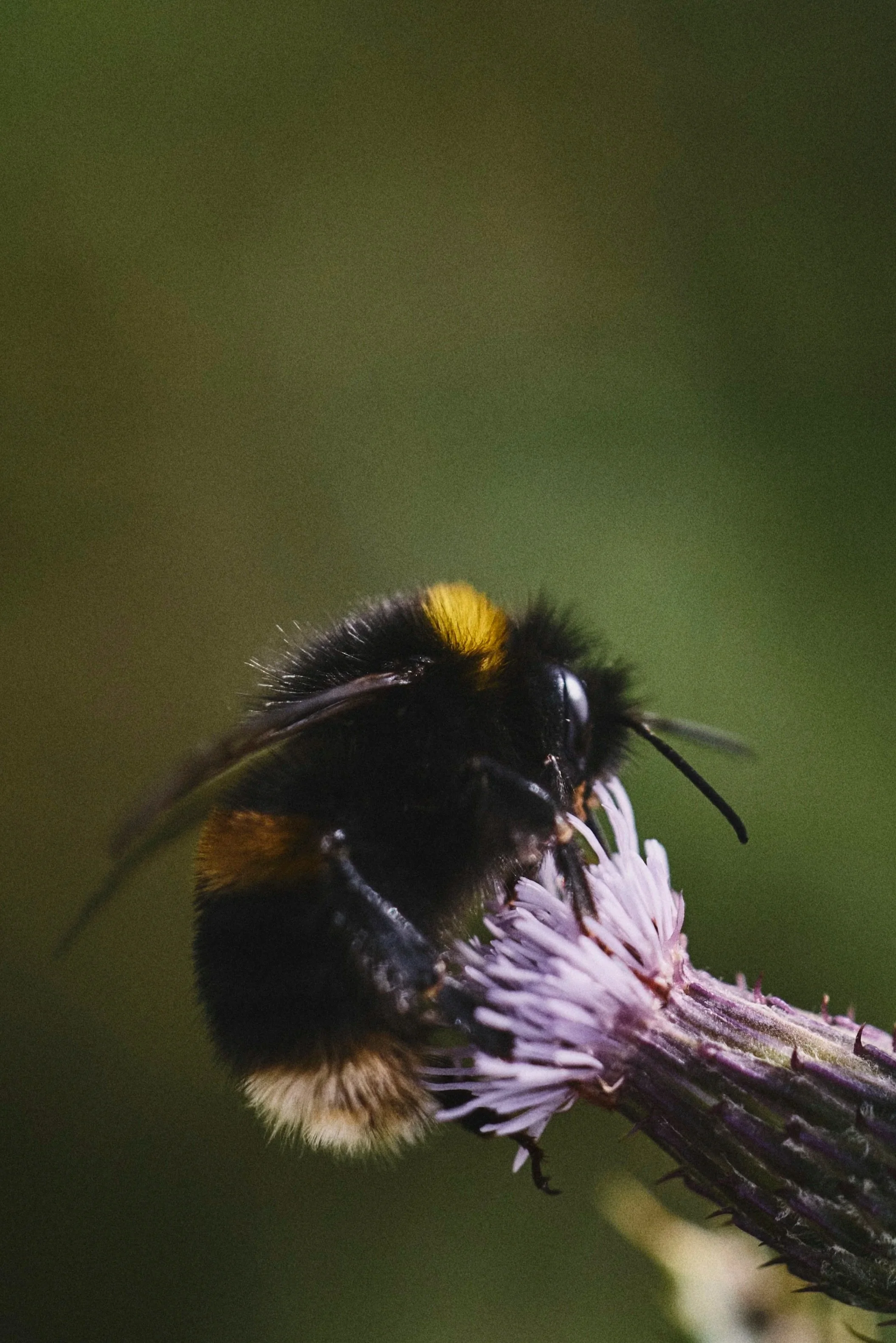
Habitats are being created and enhanced using proven, low-intensity farming practices to deliver measurable biodiversity gains – supporting wildlife, improving soil health and strengthening ecological networks across the region.
Sleight Farm at a glance

374 units available
70 hectares
Fully registered
Local LPA: Bath & North East Somerset
Local NCA: Bristol, Avon Valleys & Ridges
LNRS: West of England
Trading Area: Bath | Bristol | North Somerset | South Gloucestershire | Somerset | Stroud

Habitats available
Broadleaved woodland
Ditches
Hedgerows
Individual trees
Lowland meadow
Mixed scrub
Other neutral grassland
Why developers choose Sleight Farm
Registered & available now
Local units for west of England schemes
Clear pricing & allocation process
Long-term management secured
Why developers choose Biofarm
We deliver end-to-end BNG, from land sourcing and habitat creation to unit delivery, long-term ecological management, and ongoing advisory to guide you through BNG requirements in the planning process.
We make BNG straightforward: Clear, compliant solutions without unnecessary complexity
We deliver at scale: High-quality habitats aligned with local planning authorities
We stay for the long-term: 33 years of management, ensuring lasting biodiversity gains