

Biodiversity Net Gain
Creating better places for development and nature
Development and nature do not have to compete. Done well, they make each other stronger.
At Biofarm, we help developers deliver off site Biodiversity Net Gain through our own network of habitat banks. We create habitats, generate biodiversity units and manage them for at least 30 years.
What is Biodiversity Net Gain?
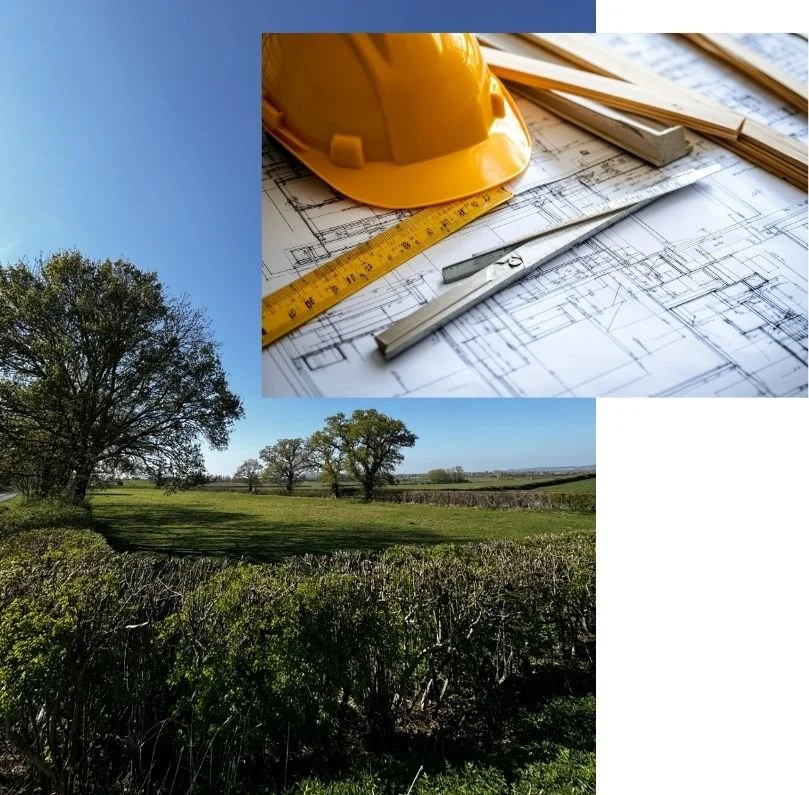
Biodiversity Net Gain is an approach to development that leaves biodiversity in a measurably better state than it was before development began.
For most developments in England, this means achieving at least a 10 percent increase in biodiversity, measured using the statutory biodiversity metric.
The principle is simple
Development should not only reduce its impact on nature. Done well, it creates places where people, wildlife and communities can all thrive.
Who does Biodiversity Net Gain apply to?
Biodiversity Net Gain is mandatory for most qualifying developments in England, although it does not apply to every project.
Whether BNG applies depends on factors including the type, size and location of the development, together with the habitats affected. Some developments are exempt under the current regulations, including certain smaller sites and temporary developments, provided the relevant conditions are met.
If you’re unsure whether your development is subject to Biodiversity Net Gain requirements, speak to Biofarm early. We’ll help you understand your obligations and identify the most appropriate solution for your project.
Exemptions under the current regulations include:
-
Certain developments on sites of 0.2 hectares or less, where priority habitat is not affected.
-
Certain temporary developments lasting five years or less, subject to the priority habitat provisions.
Biodiversity Net Gain in practice
Every development is different
Some sites can achieve Biodiversity Net Gain within the development itself. Others require additional biodiversity to be created elsewhere through professionally managed habitat banks.
Successful Biodiversity Net Gain is about finding the right balance for your project. It starts by understanding your development, your planning objectives and the opportunities available.
From there, the focus shifts to creating the right habitats in the right places and looking after them for the long term.
That is where Biofarm comes in.
Delivering Biodiversity Net Gain
Working with landowners across England, we identify suitable land, restore habitats and generate off site biodiversity units through our own Biofarm Habitat Banks.
Every habitat is managed, monitored and reported on for at least 30 years.
That gives developers confidence in the quality, provenance and long term stewardship of every unit.
100%
UNITS COME FROM BIOFARM HABITATS
30+ years
MANAGEMENT, MONITORING AND REPORTING
England
NATIONAL NETWORK OF HABITAT BANKS

Why location matters
One of the biggest misconceptions about Biodiversity Net Gain is that biodiversity units can come from anywhere. Location matters.
The statutory biodiversity metric recognises this through the Spatial Risk Multiplier.
Where biodiversity is delivered closer to a development, it generally provides greater ecological value than biodiversity delivered further away.
Choosing a locally appropriate Biofarm habitat bank can help reduce additional unit requirements, support local planning priorities and create better outcomes for nature.
That is why we are building a growing network of habitat banks across England.
Planning confidence starts with the right habitat, in the right place.
Every biodiversity unit starts with a real place
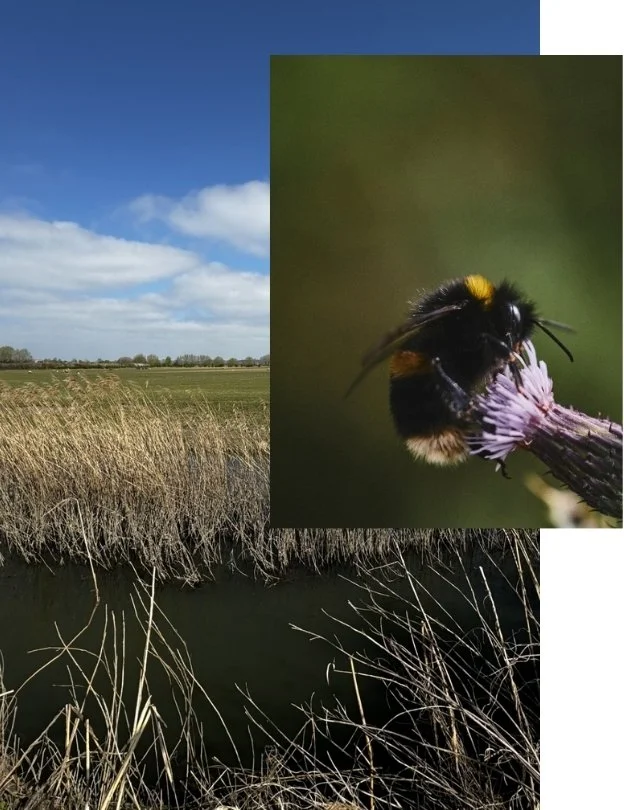
Before there is a biodiversity unit, there is a field, a woodland, a wetland or a grassland waiting to be restored.
Every Biofarm habitat bank begins with land that has the potential to become something more.
Working alongside landowners, our ecologists design habitats that support wildlife, strengthen local landscapes and create measurable biodiversity gains.
When developers choose Biofarm, they are not simply meeting a planning requirement. They are investing in places that will continue to grow and evolve for decades to come.
Because better places benefit everyone.
How Biofarm delivers Biodiversity Net Gain
-
We take time to understand your development, planning position and biodiversity objectives.
-
We’ll identify the most appropriate Biofarm Habitat Bank for your development, taking account of location, habitat type and planning considerations.
-
We’ll help you secure the right off site biodiversity units, with fair, transparent pricing and clear advice throughout.
-
We create, manage, monitor and report on every habitat for at least 30 years, giving developers confidence that Biodiversity Net Gain commitments will continue to be met.
-
Our habitats are managed for at least 30 years.
Frequently asked questions
Can’t find what you’re looking for?
-
For most developments in England, Biodiversity Net Gain is now a mandatory part of the planning process. There are some exemptions, but most qualifying developments must demonstrate at least a 10 percent increase in biodiversity.
-
No. While Biodiversity Net Gain is mandatory for most qualifying developments in England, some developments are exempt under the current regulations.
These include:
Certain developments on sites of 0.2 hectares or less, where priority habitat is not affected.
Certain temporary developments lasting five years or less, subject to the priority habitat provisions.
Other exemptions set out in the relevant legislation.
If you’re unsure whether your development qualifies for an exemption, speak to Biofarm early. We’ll help you understand your requirements and, where Biodiversity Net Gain applies, identify the right solution for your project.
-
Yes. Many developments deliver some or all of their Biodiversity Net Gain on site.
Where additional biodiversity units are required, Biofarm provides off site Biodiversity Net Gain through our own habitat banks.
-
Biodiversity units measure the biodiversity value created through habitat enhancement. Read more about Biodiversity Units.
-
Biodiversity Net Gain is measured using the statutory biodiversity metric. Learn more about the Biodiversity Metric.
-
The Spatial Risk Multiplier recognises that biodiversity delivered closer to a development generally provides greater ecological value than biodiversity delivered further away. Learn more about the Spatial Risk Multiplier on the Biodiversity Metric page.
-
Although both support environmental outcomes, they serve different purposes.
Biodiversity units are used to measure and deliver Biodiversity Net Gain and help developments meet planning requirements.
Carbon credits measure the reduction or removal of greenhouse gas emissions and are used to help organisations manage their carbon footprint.
While the same habitat may provide both biodiversity and carbon benefits, they are different products, measured in different ways and created for different purposes.
Every biodiversity unit Biofarm provides comes from a real habitat that we create, restore and manage for at least 30 years.
-
Habitat banks are areas of land managed to create measurable biodiversity gains that generate biodiversity units.
Every biodiversity unit Biofarm provides comes from a habitat bank we have created and manage ourselves.
Explore our Habitat Banks.
Let’s create better places together
Whether you are planning a residential development, commercial scheme or infrastructure project, we will help you deliver Biodiversity Net Gain with confidence.
Together, we can create habitats that support your development today and leave a lasting legacy for nature tomorrow.
Your success is ours too
Our transparent model is built for mutual commercial benefit.
Secure
investment
We ring-fence funds to protect your investment and habitats.
Leave your own legacy
Shape the landscape in a way that truly matters.
Pushing for progress
More than responding to policy, we have a seat at the table.